

The Scarcity Effect: Why Limited-Edition Drops Make Us Want Things More
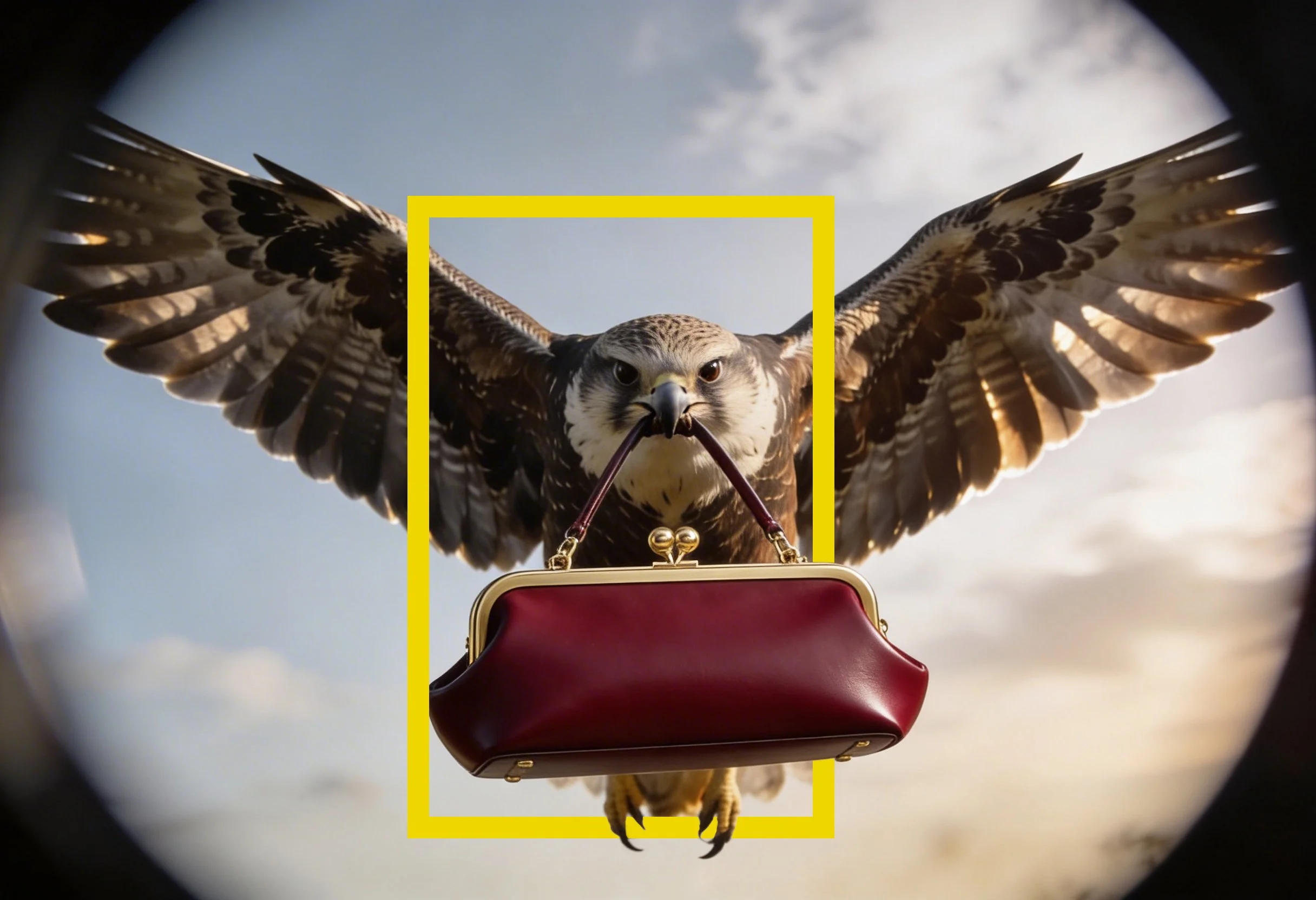
Few forces in retail are as powerful as scarcity. When something becomes difficult to obtain, it instantly becomes more desirable.
Luxury and fashion brands have long understood this psychological trigger. Increasingly, they rely on limited-edition product drops—releasing small quantities of highly desirable items that sell out within minutes.
One recent example is the intense demand surrounding Coach’s Kisslock bags, which have sparked online buying frenzies whenever new styles are released.
But why do limited drops create such powerful emotional reactions among consumers?
The answer lies deep in consumer psychology.
The Psychology of the Limited Drop
When a brand announces a limited release, it activates several psychological triggers simultaneously: anticipation, competition, and fear of missing out (FOMO).
Consumer psychologist Dr. Robert Cialdini, author of Influence: The Psychology of Persuasion, identified the scarcity principle as one of the most powerful drivers of human decision-making.
According to Cialdini, people assign greater value to things that are less available.
When a product is scarce, the brain interprets it as:
rare
valuable
socially desirable
In other words, the item appears more important simply because not everyone can have it.
The Coach Kisslock Craze
Coach’s Spring 2025 Kisslock bag releases illustrate how scarcity marketing works in real time.
Certain styles sold out almost immediately after launch. Occasionally, the brand releases additional batches, but those too disappear quickly.
In all fairness, this wasn’t intended stealth by the brand’s marketers.
“...I have to admit it took us by surprise when it first launched in spring, I always thought it was special, but I didn’t realise quite so many people would agree and I know there was some frustration when the first delivery sold out online in the US in 20 minutes.”
Innocent the first time, maybe. But Coach’s Spring 2026 new Kisslock design (The Kisslock 30) dropped on February 11 and sold out in 3 minutes.
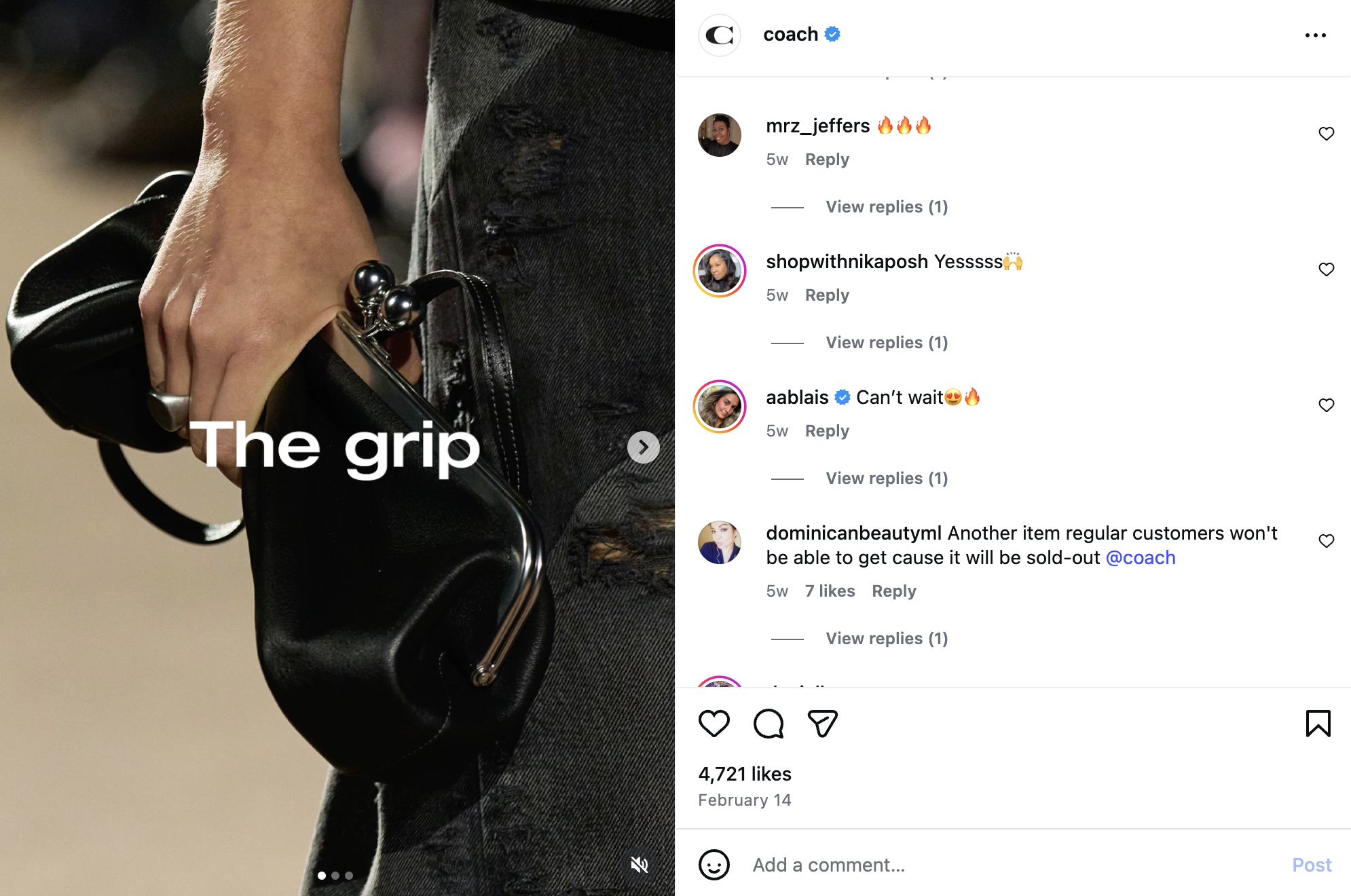
For fans of the design, the experience becomes an emotional rollercoaster:
Anticipation leading up to the release date
Anxiety while attempting to purchase before stock disappears
Exhilaration if the order goes through
Frustration or regret if the item sells out first
This dynamic transforms a simple shopping transaction into something closer to a competitive event.
Enter the Resellers
Scarcity also fuels a booming secondary market.
When highly sought-after items sell out quickly, resellers step in. Platforms like eBay, StockX, and Grailed allow buyers who secured limited items to list them for significantly higher prices.
In many cases, limited-edition bags or sneakers are resold for double or even triple their original retail price.
Why do buyers pay these inflated prices?
Because scarcity creates psychological urgency.
For someone who missed the original drop, purchasing from a reseller may feel like the only way to resolve the lingering tension of wanting the item.
Behavioral economists call this loss aversion, the discomfort of missing out often feels stronger than the discomfort of paying more.
Ultimately, scarcity doesn’t just shape what we buy, it shapes how we feel while buying it. In a world of endless choice, it’s the things we can’t easily have that capture our attention the most.
Tell us. Have you ever chased a limited drop? Was it worth it?
